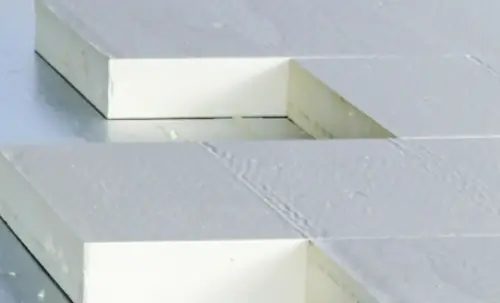
Flat Roof Insulation
We all know that flat roofs are notoriously renowned for the loss of heat. Roof Technology insulation solutions, will bring your flat roof thermal efficiency to a standard that will comply with Building Regulations.


Upgrading the Insulation on an Existing Flat Roofs
With Roof Technology’s mechanically fixed & bonded insulation products, we are able to insulate your flat roof to current Building Regs standards.
If you have a heated room below your flat roof, then you will want to have adequate insulation, otherwise the room below will be difficult and costly to keep warm. It is difficult to tell how much insulation there is in an existing flat roof just by looking, but if it was built before 2000 then there probably isn’t enough.
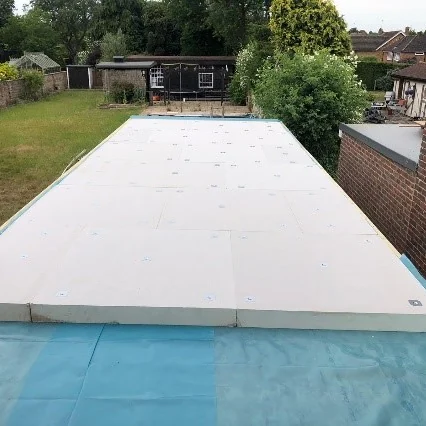
SAVE MONEY ON HEATING AND UPGRADE YOUR FLAT ROOF INSULATION TODAY.
Your flat roof should have a layer of insulation built into the structure at some level. When an insulated roof is built, the insulation layer can be included at different levels within the structure. The roof may be described as “warm roof” or “cold roof” depending on whether the insulation is above or below the main roof deck.
Adding insulation to an existing flat roof sometimes requires the removal and replacement of some part of the existing structure. It is also important to carry out any insulation work in a way that minimises any risk of condensation building up within the roof structure. ”A warm roof” solution is the simplest way improve the insulation on your roof, and elevate condensation (subject to roof design)
When you improve the insulation on your existing flat roof the entire project will be VAT exempt.
Improving flat roof insulation is most often carried out when some part of the roof needs to be replaced for other reasons – for example, when the weatherproof layer has started to leak. However, it is possible to insulate a flat roof at any time, Roof Technology products enable insulation to be quickly installed with minimal disruption.
In most cases if your roof deck is in good condition (assessed by a pull out test or core test) we are able insulate your roof without the disruption of removing the existing water proof cover saving you money & reducing the amount of waste going to landfill.
This process will give you a flat roof that will be insulated to current Building Regs standards, and a new roof cover that has a manufacturers guarantee of 20 years.
Building Regulations
In April 2006 the Government of England and Wales implemented changes to Building Regulations Approved Document L (Conservation of fuel and power). These revisions have a significant affect on homeowners and domestic roofing contractors.
The regulations were changed to implement the EU Energy Performance of Buildings Directive (EPBD), which aims to reduce energy use in domestic buildings by 20% compared to the 2002 regulations.
There are essentially two designs used in the construction of a flat roof to include insulation.
Cold Flat Roof Insulation
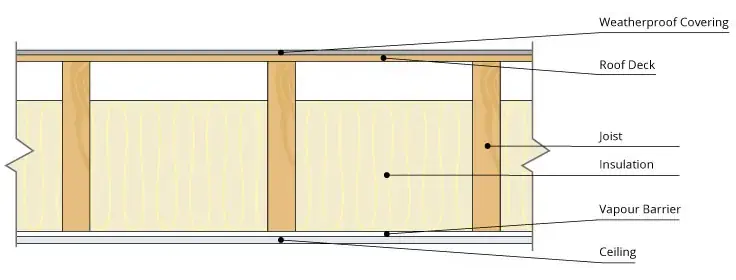
A cold flat roof is a traditional construction method where the insulation is fitted between the joists, beneath the roof deck. This approach leaves the deck exposed to external temperature changes, meaning effective ventilation is essential to prevent condensation build-up.
From the room ceiling up the build is as follows: the ceiling is attached to the roof joists that support the roof construction. A polyethylene vapour barrier is laid into the roof void and insulation is loose laid between the rafters. The roof deck is then fixed to the rafters and the water proof membrane is then installed.
While often used in refurbishment projects where the existing roof structure limits external alterations, cold roof insulation can still deliver good performance when correctly designed and ventilated.
Roof Technology provides expert guidance to ensure your cold roof system is properly detailed, insulated, and compliant with current building regulations.
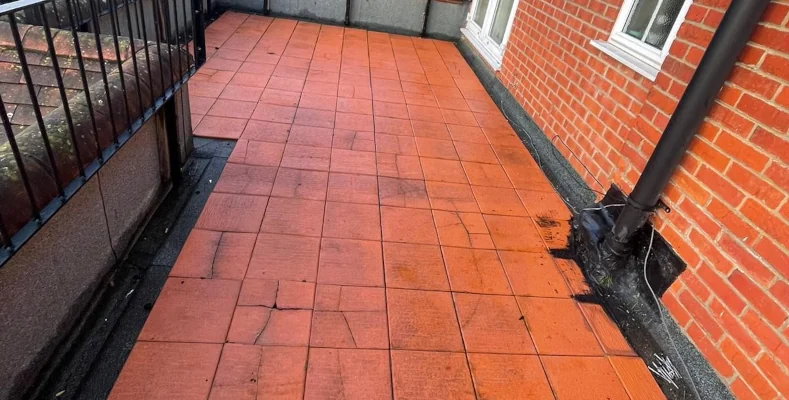 Original Badly Insulated and Leaking Surface
 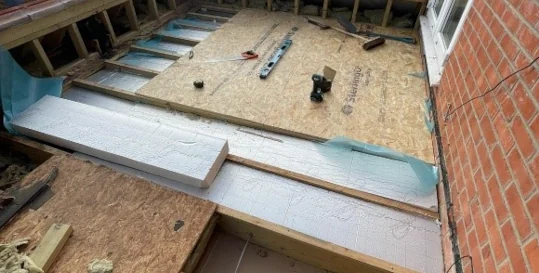 New PIR Insulation Laid Within Roof Void
 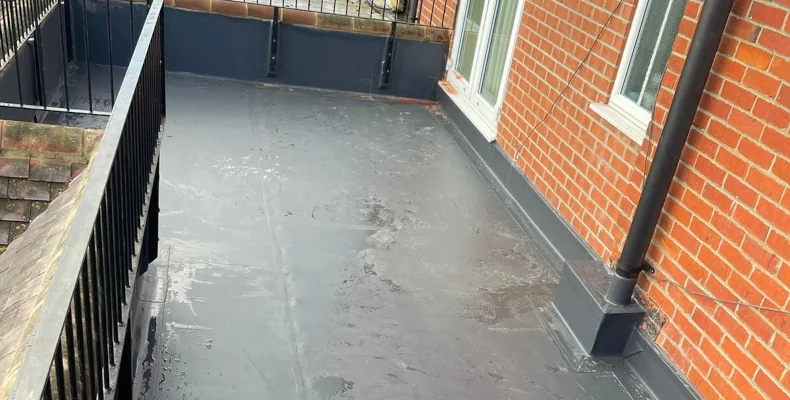 New Waterproof Membrane with a 20 year Guarantee
 Warm Flat Roof Insulation
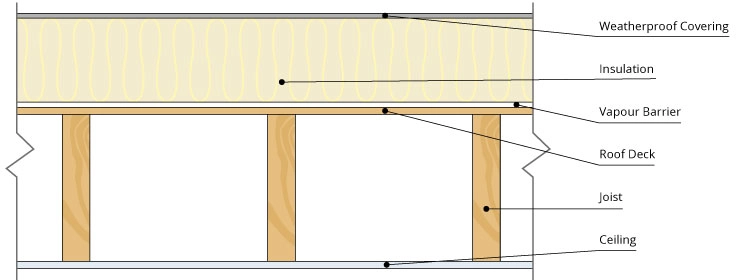
In a warm flat roof, the insulation is installed above the structural deck but below the waterproofing layer, keeping the entire roof structure warm and reducing the risk of condensation. This is now the most common and efficient flat roof design, offering excellent thermal performance and long-term durability. The warm roof method helps maintain consistent internal temperatures and minimises heat loss through the roof.
From the room ceiling up the construction is as follows: The roof joists support the roof construction the internal ceiling is attached to these. On top of the joists the roof deck is fixed. A vapour barrier is laid on to the deck and the appropriate thickness of insulation is fixed to the roof deck. The waterproof roof cover is then installed.
At Roof Technology, we supply and install high-quality warm roof systems tailored to suit your project, providing a cost-effective, energy-efficient solution that meets or exceeds current thermal standards.
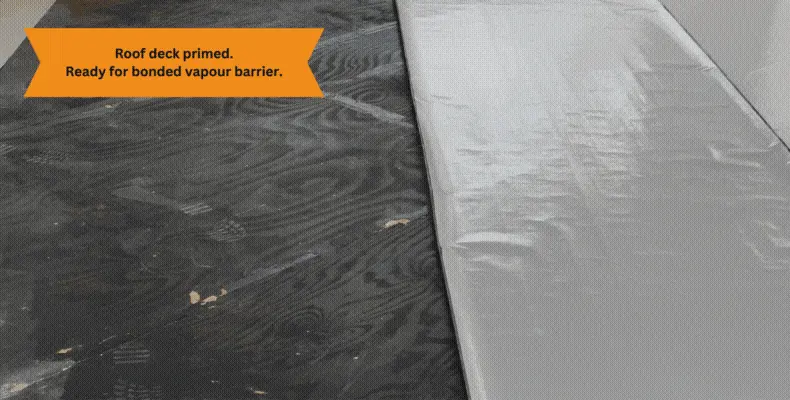 Roof deck primed. Ready for bonded vapour barrier.
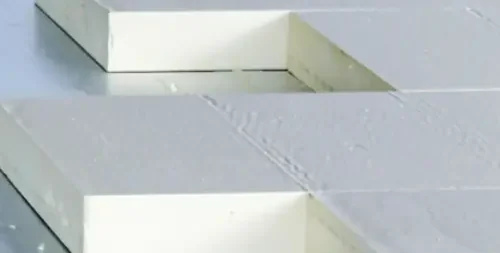 Insulation bonded to vapour barrier
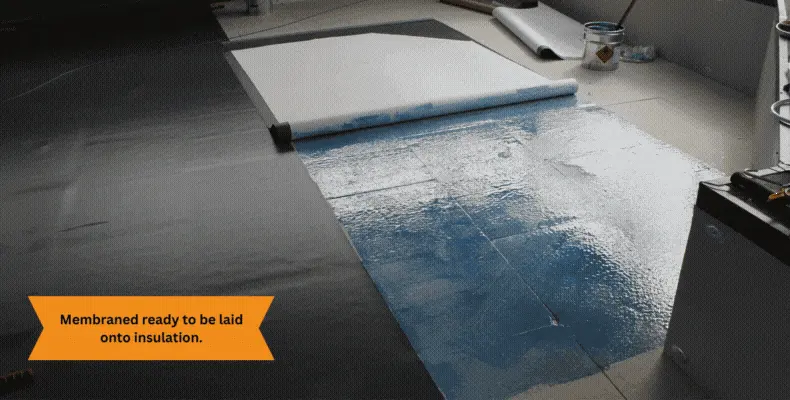 Membraned ready to be laid onto insulation.
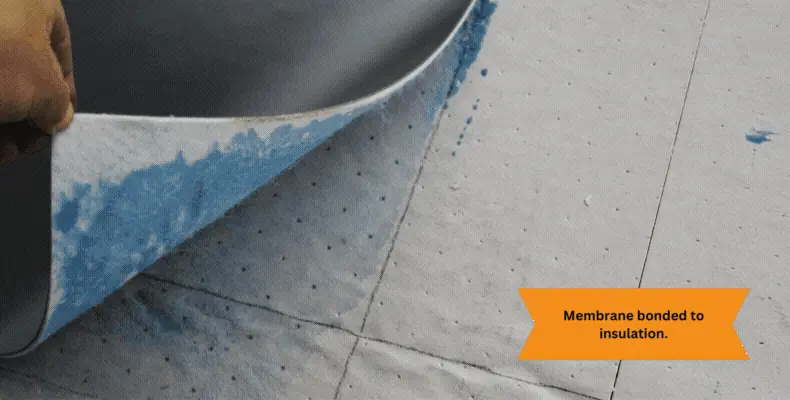 Membrane bonded to insulation
OPTIM-R Roofing System
Roof Technology are experienced installers of the next generation of insulation products for flat roofing
Kingspan OPTIM-R is a rigid vacuum insulation panel, encased and sealed in a thin, gas-tight envelope, giving outstanding thermal conductivity and the thinnest possible solution for flat roofing insulation. Ideal for situations where low u values are required, & design constraints mean that insulation depth is an issue.
Kingspan OPTIM-R Roofing System provides an insulating performance that is up to five times better than other insulation materials.
OPTIM-R installation is specifically designed for each installation.
The vacuum insulated panels are installed with rigid thermoset (PIR) insulation infill panels which can be cut to fit around problem areas such as roof lights or ventilator kerbs.
The Kingspan OPTIM-R Roofing System is designed for use where there is a requirement for low U-values and the thinnest possible roof build-up. It is particularly suited for applications where there may be little space for installing new roof insulation, for example in buildings with planning height restrictions, terraces, balconies & flat roofs with low window thresholds.
Roof Technology are able to provide design & costs for any application where these high preforming products might be of benefit.